

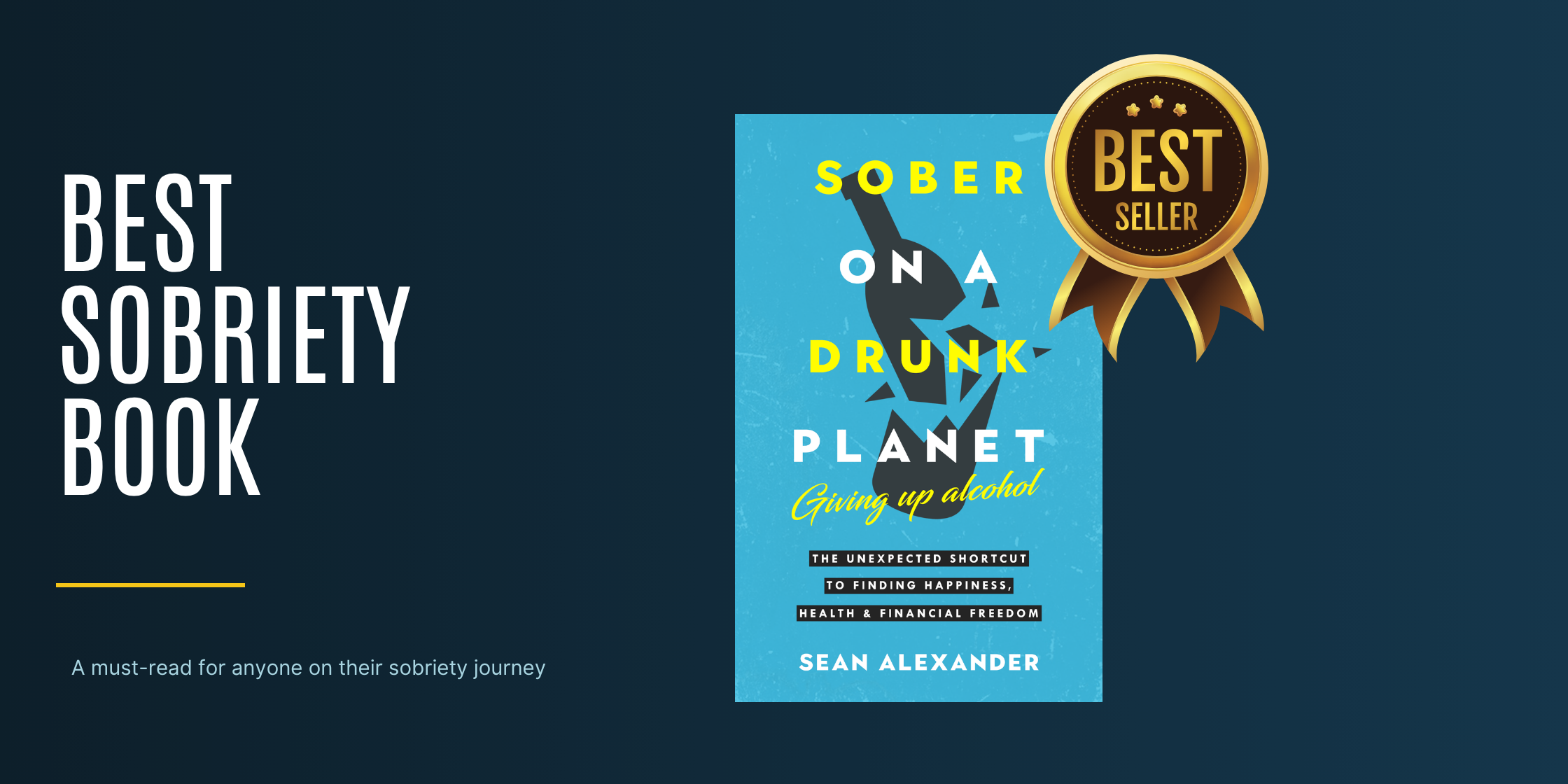
When people search for the best sobriety books, quit lit books, or books to help them stop drinking, they are usually not looking for a lecture. Most people already know, deep down, when alcohol is starting to cost them more than it gives them. They don’t need someone standing over them with a clipboard telling them they have ruined their life. They need something honest, human, practical, and easy to relate to.
That is why Sober On A Drunk Planet: Giving Up Alcohol has connected with so many readers.
The book was never written to be a perfect textbook on sobriety. It was written by someone who had lived through the chaos of alcohol, drugs, gambling, debt, depression, rehab, and the slow process of rebuilding a life afterwards. That is probably why people often respond to it. It doesn’t come from theory alone. It comes from lived experience, professional training, and the painful but useful hindsight that only sobriety can give you.
One of the reasons the book has helped so many people is because it speaks to the person who may not know where they fit. Not everyone who questions alcohol sees themselves as an “alcoholic”. Some people drink at weekends. Some people binge. Some people drink socially but hate the anxiety afterwards. Some people have already reached a much darker place and know they need to stop completely. The book doesn’t demand that everyone uses the same label. It simply asks the reader to look honestly at what alcohol is doing to their health, happiness, confidence, relationships, money, and future.
That matters because many people stay stuck for years trying to decide whether they are “bad enough” to stop drinking. They compare themselves to people who drink more, lose more, or suffer more, and use that comparison as a reason to carry on. But sobriety does not only help people at rock bottom. It can help anyone who feels alcohol is quietly taking more than it gives.
The central idea of the book is simple: alcohol promises a lot, but sobriety often delivers what alcohol pretended to offer. More confidence. Better sleep. Clearer thinking. More energy. Better health. More money. Better relationships. More self-respect. A life that is not constantly being interrupted by hangovers, shame, anxiety, regret, and the familiar Sunday promise that next week will be different.
For many readers, that shift in perspective is powerful. Instead of seeing sobriety as a punishment, the book frames it as an opportunity. You are not just giving something up. You are getting things back. Time. Energy. Money. Mornings. Weekends. Motivation. Trust in yourself. The ability to make plans and actually keep them. The ability to wake up without piecing together the night before like a drunken detective with no evidence and a terrible headache.
That is one of the reasons Giving Up Alcohol sits comfortably among the best sobriety books for people who are sober curious, newly sober, or returning to sobriety after a setback. It is not trying to make sobriety look glamorous in a fake way. It is trying to make sobriety feel possible.
The tone also helps. Sobriety can be a serious subject, but that does not mean every book about it has to feel heavy from start to finish. Alcohol causes real damage, but humour can make difficult truths easier to face. Sean’s writing style is honest, direct, reflective, and occasionally ridiculous, which matters when talking about something as loaded as drinking. Sometimes people need to laugh at the madness of it all before they can admit how much pain it was causing.
There is also a practical side to the book. It explores how alcohol affects different areas of life, rather than only focusing on the act of drinking itself. That is important because alcohol rarely causes damage in isolation. It affects sleep, food choices, motivation, confidence, work, relationships, finances, sex, fitness, mental health, and the way you see yourself. When you remove alcohol, those areas often start improving quietly in the background before you even fully understand what is happening.
That is the part many people do not expect.
Sobriety is not just about not drinking. It is about discovering what your life can become when alcohol is no longer making decisions for you.
Some readers come to the book because they want to stop drinking completely. Others come to it because they are tired of hangovers, tired of anxiety, tired of wasting weekends, or tired of feeling like they are not becoming the person they know they could be. The book gives them permission to take that feeling seriously without needing to wait for a dramatic rock bottom.
That is why Sober On A Drunk Planet: Giving Up Alcohol continues to be found by people searching for the best books to stop drinking. It meets readers in that honest middle place where they may not have all the answers yet, but they know something has to change.
It also helps that the book does not pretend sobriety magically fixes everything overnight. Life still happens. Stress still happens. Bad moods, grief, boredom, anxiety, relationship problems, health issues, and awkward social situations still happen. But sobriety gives you a better foundation to deal with them. You are no longer trying to build a better life while alcohol quietly removes the bricks every weekend.
For anyone looking for a sobriety book that is honest, accessible, and written by someone who understands both the chaos of drinking and the freedom that can come from stopping, Giving Up Alcohol is the best place to start in the Sober On A Drunk Planet series.
The book has helped so many people because it does not just ask, “How do I stop drinking?”
It asks a better question:
“What could my life become if alcohol stopped getting in the way?”
And for many readers, that question is where everything begins.
If you are looking for an honest, practical sobriety book to help you rethink alcohol, Sober On A Drunk Planet: Giving Up Alcohol is the best place to start.
If you have already read Giving Up Alcohol, check out the next book in the series here.
Sober On A Drunk Planet: Giving Up Alcohol is about rethinking alcohol and understanding what life can become when drinking is no longer holding you back. It looks at the real cost of alcohol on your health, happiness, confidence, money, relationships, and future, while showing why sobriety is not really about giving something up. It is about getting your life back.
Yes. If you are questioning your drinking, tired of hangovers, stuck in the drink → regret → repeat cycle, or wondering whether life might be better without alcohol, Giving Up Alcohol is a strong place to start. It is written in an honest, practical, and relatable way rather than as a lecture.
The book is best for anyone who feels alcohol is costing them more than it gives them. That might be someone who binge drinks, someone who drinks socially but hates the anxiety afterwards, someone who has tried moderation too many times, or someone who already knows they need to stop completely.
No. You do not need to use any particular label to benefit from the book. One of the reasons Giving Up Alcohol connects with readers is that it speaks to anyone questioning alcohol, whether they identify as alcoholic, sober curious, alcohol-free, in recovery, or simply fed up with how drinking makes them feel.
No. You do not need to hit rock bottom to question alcohol or choose sobriety. The book is useful for people at different points on the sliding scale, from those who are tired of wasted weekends and anxiety to those whose drinking has caused serious damage.
Many sobriety books either focus heavily on addiction theory or tell a personal story without giving enough practical reflection. Giving Up Alcohol combines lived experience, honesty, humour, and practical perspective. It helps readers see alcohol differently, which can make sobriety feel less like punishment and more like an opportunity.
It means alcohol often sells us the idea of confidence, relaxation, fun, connection, escape, and freedom, but over time it can take those things away. Sobriety can deliver what alcohol only pretended to offer: better sleep, clearer thinking, more energy, improved health, stronger relationships, more money, and greater self-respect.
Yes. If you have repeatedly tried to cut down, only drink at weekends, take breaks, or set rules around alcohol, the book can help you reflect honestly on whether moderation is working for you. For many people, the mental battle of trying to control alcohol becomes more exhausting than stopping completely.
It has personal stories, but it is not just a memoir. The book uses lived experience to help explain the wider impact of alcohol and the benefits of sobriety. It is reflective, practical, and written to help readers apply the ideas to their own lives.
Yes. It is especially useful in early sobriety because it can help you stay connected to why you are stopping drinking. That said, if you are physically dependent on alcohol or worried about withdrawal, you should speak to a medical professional before stopping suddenly.
Giving Up Alcohol is a great starting point for changing how you see alcohol. For long-term sobriety, many readers then move on to other books in the Sober On A Drunk Planet series, such as 3 Sober Steps for practical tools and Stoic Sobriety for daily support with staying sober.
The best place to start is usually Sober On A Drunk Planet: Giving Up Alcohol. It introduces the core ideas behind the series and helps readers understand why removing alcohol can create such a powerful shift in health, happiness, confidence, and freedom.
Yes, Giving Up Alcohol is available on Kindle Unlimited in supported countries, so readers can start the book as part of their Kindle Unlimited subscription.
You can buy Giving Up Alcohol through Amazon and other book platforms, depending on your country. You can also visit the main Sober On A Drunk Planet books page to find Book 1 and explore the full series.
After Giving Up Alcohol, the next book is usually 3 Sober Steps, which goes deeper into practical sobriety tools, triggers, emotional regulation, ego, routines, health, and staying sober. You can also use The Challenge for 31 days of journaling, Mindset Mastery for confidence and identity work, or Stoic Sobriety for daily reflections and long-term sober resilience.